63 / 68
Personal knowledge base
Build a small personal AI knowledge base from your own files
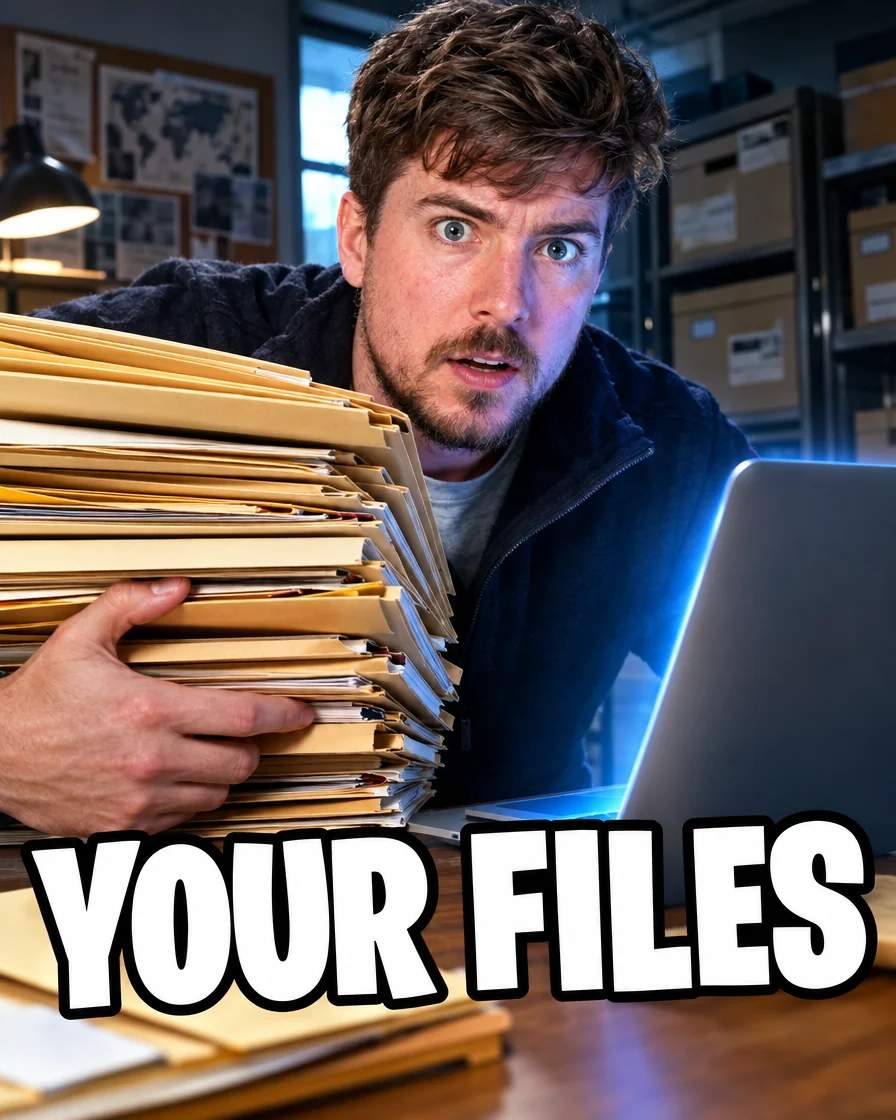
Your files first. Chat second. Citations beat confident guessing.
What you will be able to do
You will build a small personal AI knowledge base from your own files—so answers cite your notes, not a generic web guess.
What “personal knowledge base” means here
Not a company-wide search platform on day one. A personal base is:
- A folder (or few folders) of files you trust
- A way to ask questions against those files
- A habit of updating and deleting stale docs
Chat alone forgets. Files remember—if you point the tool at them on purpose. When the corpus grows or many people share it, you may later want retrieval setups; start personal and honest. Related: RAG vs paste once that article is live beside this one, and data safety.
Floor vote
Where are you with this job?
One vote per device. Change it any time.
Loading votes…
Step 1: Choose the corpus, not the shiny app
Pick sources that already exist:
- Meeting notes and decision logs you own
- Project READMEs and design docs
- Personal SOPs and checklists
- Export of notes from one notebook tool
Exclude for v1:
- Downloads dumps
- Duplicate “final” PDFs
- Anything with secrets or customer PII you should not store in that tool
- Huge archives you have never opened
A tight 50–200 pages of truth beats 10,000 junk files.
Step 2: Clean names and dates
Before any AI feature:
- Rename
notes.pdftopricing-decision-2026-09-12.md - Put a one-line title at the top of each doc
- Delete known-stale copies
- Keep one “current” folder and one “archive”
Models retrieve noise as eagerly as signal. Filenames are half the battle.
Step 3: Pick a simple access pattern
For personal use, three patterns are enough:
- Paste on demand — open the file, paste the relevant section into chat
- Project / folder chat — tools that let you attach a workspace of files
- Light retrieval — product features that search your files before answering
Start with (1) or (2). Graduate to (3) when paste windows get annoying. Do not buy enterprise search to organize your own Notion export.
Step 4: Write a personal ask template
Reuse:
Use only the attached / selected files.
Question: […]
If the answer is not in the files, say “Not in my notes” and list what is missing.
Cite file names in the answer.
That “Not in my notes” line is the difference between a knowledge base and a confident liar.
Step 5: Weekly hygiene (20 minutes)
Every week:
- Add new decision notes from meetings
- Archive one outdated doc
- Spot-check one answer: did it cite the right file?
- Remove any file that should never have been there (secrets, customer exports)
Without hygiene, your “brain” becomes a junk drawer with a search box.
Privacy and device rules
- Prefer local or business accounts you understand for work-adjacent notes
- Strip customer identifiers before files enter a personal base
- Do not mix highly regulated records into a hobby vault
- Know how to delete a file from the tool, not only from disk
If the file would be awkward on a lost laptop, it is awkward in a synced AI vault too.
What good answers look like
A useful reply:
- Points to a file name and section
- Separates “in my notes” from “general advice”
- Admits gaps
A useless reply:
- Sounds sure with no citation
- Mixes three projects into one answer
- Invents a policy you never wrote
When you see useless, fix the corpus or the template—not your trust in vibes.
Worked example (pattern only)
You keep decision-logs/, sop/, and project-briefs/. You ask: “What did we decide about the pricing page owner?” The tool cites pricing-decision-2026-09-12.md and names Alex. When you ask about a vendor you never documented, it says “Not in my notes.” That second answer is success.
Common mistakes
- Dumping your entire Downloads folder on day one
- Asking product questions against personal diaries
- Never deleting superseded SOPs
- Expecting perfect recall without citations
Pair with paste vs retrieval
If most questions point at one known file, keep pasting. If you keep asking “where did we write that?”, graduate the same curated folders into folder chat or light retrieval—without dumping Downloads into the index. The knowledge base is the corpus discipline; the feature is secondary.
Field check
Field check
Four questions. Honest answers. No score sent anywhere but this page.
01 / 04
Can you name the one job this piece is for, in one sentence?
Short close
Curate a small corpus, demand citations, admit gaps weekly—that is a personal AI knowledge base that stays useful.
Keep these
The working rules
Your files first. Chat second. Citations beat confident guessing. Then: Follow the steps in the article; Keep humans on final decisions; Skip invented facts; Reuse the same brief next time.